
Pain Management
Pain Management
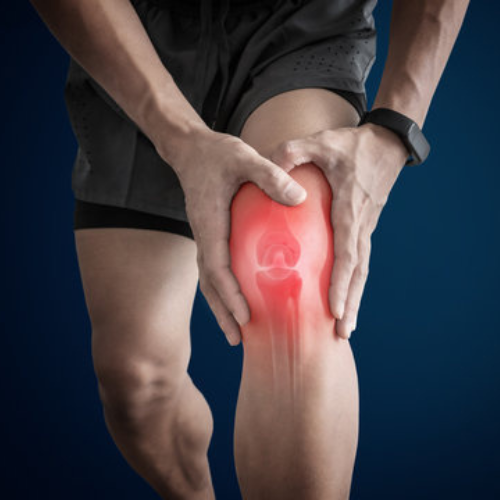
JOINT PAIN
Joint pain is a common complaint that can affect people of all ages. It can range from mild discomfort to severe pain and can be caused by various factors. Here are some common causes of joint pain and tips for managing it:
- Arthritis: Arthritis is a common cause of joint pain. There are different types of arthritis, including osteoarthritis (wear-and-tear of joint cartilage) and rheumatoid arthritis (an autoimmune disease). Treatment for arthritis may include medication, physical therapy, and lifestyle changes.
- Injuries: Joint pain can result from injuries, such as sprains, strains, or fractures. Rest, ice, compression, and elevation (the RICE method) can help alleviate pain and promote healing.
- Overuse: Repetitive movements or overuse of a joint, especially in activities or sports, can lead to joint pain. Rest and proper technique can help prevent and manage overuse injuries.
- Inflammation: Inflammation in the joints, often due to conditions like bursitis or tendinitis, can cause pain and swelling. Treatment may include rest, anti-inflammatory medications, and physical therapy.
BACK PAIN
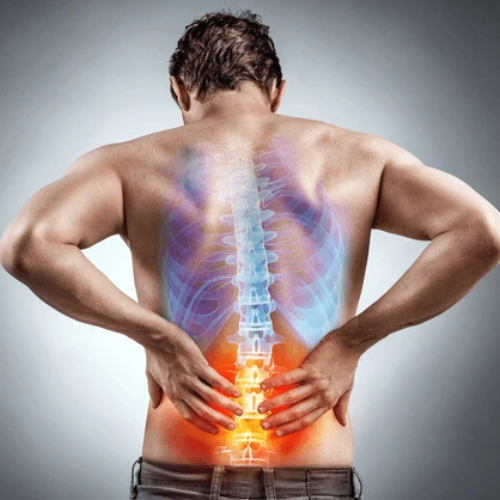
Back pain is a prevalent and often debilitating condition that can affect people of all ages. It can have various causes and may range from mild discomfort to severe, chronic pain. Here are some common causes of back pain and tips for managing it:
- Muscle Strain: Overexertion, lifting heavy objects improperly, or sudden movements can lead to muscle strain in the back. Rest and gentle stretching can help alleviate strain-related pain.
- Poor Posture: Maintaining poor posture while sitting, standing, or working at a computer for extended periods can strain the back muscles and lead to pain. Ergonomic adjustments and posture correction exercises can help.
- Herniated Disc: A herniated or slipped disc occurs when the soft inner part of a spinal disc pushes through a crack in the tougher outer layer, putting pressure on nearby nerves. Treatment may include rest, physical therapy, or surgery in severe cases.
- Arthritis: Osteoarthritis and other forms of arthritis can affect the spine and cause pain. Management typically involves pain medication, physical therapy, and lifestyle modifications.
- Sciatica: Sciatica occurs when the sciatic nerve, which runs from the lower back down the leg, is compressed or irritated. Treatment may involve physical therapy, medication, or, in some cases, surgery.
KNEE PAIN
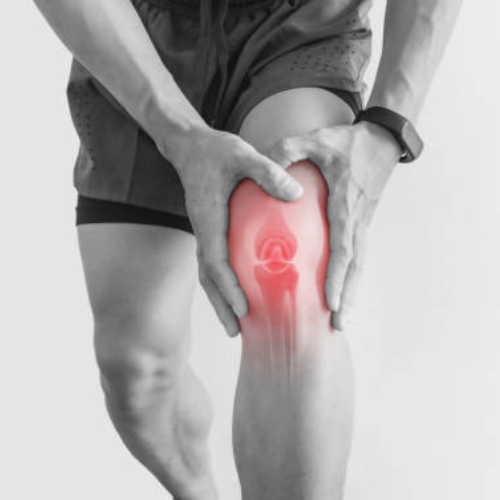
Ayurveda offers various treatments and remedies for knee pain. It focuses on balancing the body’s energies, or doshas (Vata, Pitta, and Kapha), to promote overall health and alleviate specific health issues like knee pain. Keep in mind that it’s important to consult with a qualified Ayurvedic practitioner before starting any treatment, as the specific approach may vary based on your individual constitution and the underlying cause of your knee pain.
Herbal Remedies:
- Ashwagandha: This adaptogenic herb can help reduce inflammation and pain in the joints.
- Guggul: It has anti-inflammatory properties and may aid in relieving knee pain.
- Turmeric: Known for its anti-inflammatory properties, turmeric can be added to your diet or taken as a supplement.
- Boswellia: This resin extract may help reduce pain and inflammation in the knee joints

RHEUMATOID ARTHRITIS
Rheumatoid arthritis (RA) is a chronic autoimmune disease that causes joint inflammation and pain. While Ayurveda can provide relief from the symptoms of RA, it’s important to note that it may not offer a cure for the condition. Ayurvedic treatments for rheumatoid arthritis focus on reducing inflammation, managing pain, and improving overall well-being.
Ayurveda considers the balance of doshas (Vata, Pitta, and Kapha) in managing health conditions. In RA, an aggravated Vata dosha is often associated with joint pain and inflammation. We will work to balance your doshas through dietary and lifestyle recommendations.
Ayurvedic treatments for RA should be integrated into your overall healthcare plan, and you should continue to work with us in autoimmune diseases to ensure comprehensive care and monitoring of your condition.
STIFF SHOULDER
A stiff shoulder can be caused by various factors, including muscle tension, injury, or underlying medical conditions. Here are some common causes and tips for managing a stiff shoulder:
Common Causes of a Stiff Shoulder:
- Muscle Tension and Stress: Stress and tension can lead to muscle stiffness in the shoulder and neck area.
- Overuse or Strain: Activities that involve repetitive or strenuous shoulder movements, such as lifting heavy objects or certain sports, can lead to muscle strain and stiffness.
- Frozen Shoulder (Adhesive Capsulitis): This is a condition characterized by the gradual loss of shoulder joint mobility and is often associated with pain and stiffness.
SINUSITIS
Sinusitis, also known as rhinosinusitis, is a common condition characterized by inflammation or infection of the paranasal sinuses. These are the hollow spaces located around the nose and behind the eyes. Sinusitis can be acute (short-term) or chronic (lasting longer than 12 weeks) and may result from various causes, including viral, bacterial, or fungal infections, allergies, or anatomical issues. Here’s an overview of sinusitis, its symptoms, causes, and treatment options:
Symptoms of Sinusitis:
The symptoms of sinusitis can vary in intensity and duration but often include:
- Nasal Congestion
- Facial Pain or Pressure
- Headache
- Runny or Stuffy Nose
MIGRAIN
Migraine is a common neurological disorder characterized by recurring moderate to severe headaches, often accompanied by other symptoms such as nausea, vomiting, and sensitivity to light and sound. Migraines can be extremely debilitating and disruptive to daily life.
Causes of Migraines:
Some common triggers and contributing factors include:
- Genetics
- Hormonal Changes
- Triggers
- Stress
- Sleep Patterns
- Physical Factors